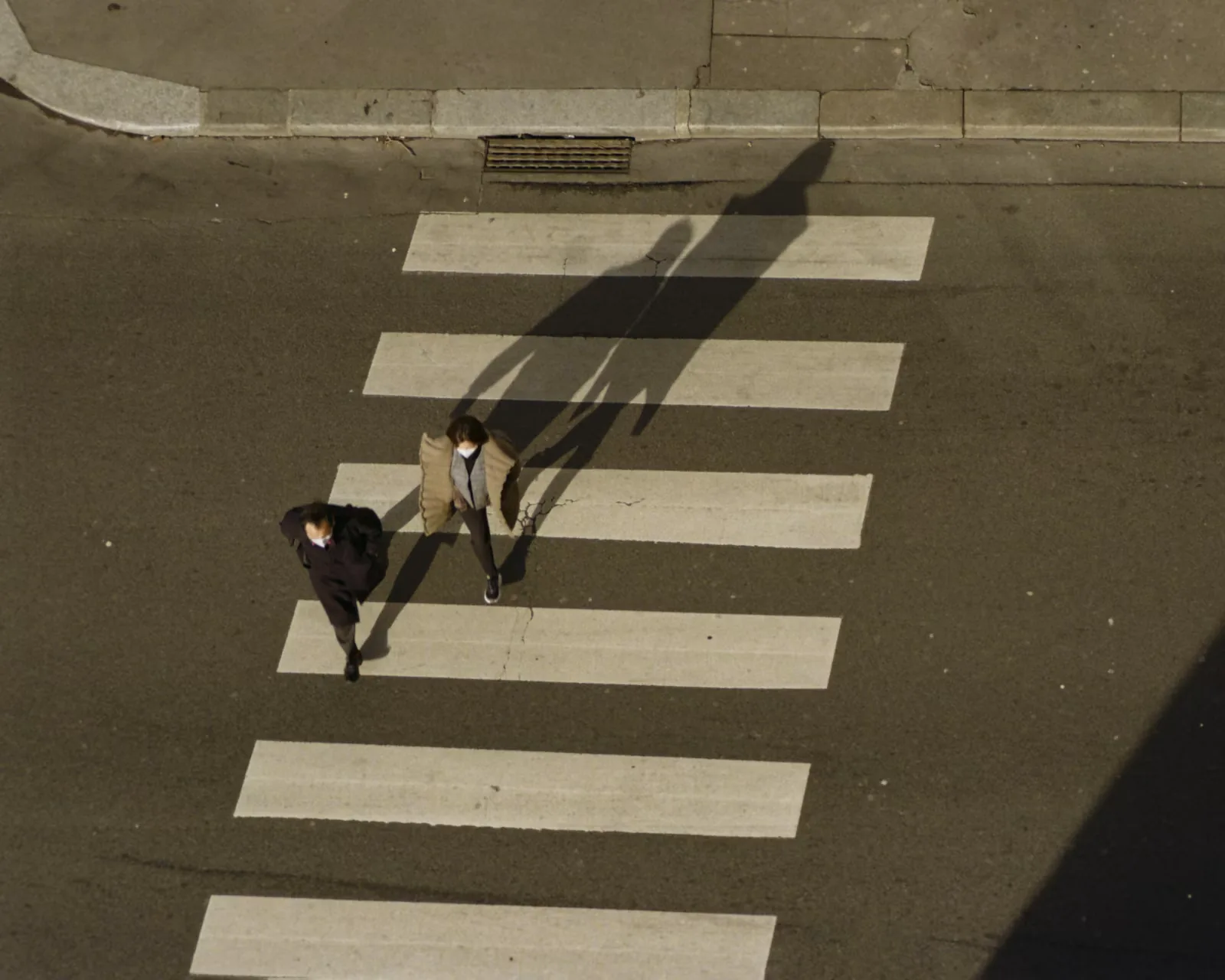
Injury Law
Pedestrian Accident Lawyer for Los Angeles and Orange County
Hit by a car while walking, or by a driver who fled? Fred takes on the insurer, fights the blame game, and finds coverage you may not know you have.
- Drivers must yield to pedestrians in marked and unmarked crosswalks (Veh. Code §21950)
- Hit-and-run victims can often claim UM coverage on their own or a household auto policy
- Report a hit-and-run to police within 24 hours to protect UM coverage (Ins. Code §11580.2)
- Shared fault reduces recovery; it does not eliminate it
A pedestrian hit at 30 miles per hour has nothing between them and the hood. The injuries are often catastrophic, and the driver’s insurer starts building a story about what you did wrong before you’re out of the hospital. Fred Yadegar represents pedestrians and their families across Los Angeles County and Orange County, and he goes after every source of coverage, including the ones adjusters hope you never find.
The crosswalk rules, and what drivers get wrong
California drivers must yield to a pedestrian crossing in a marked crosswalk or in an unmarked crosswalk at an intersection (Veh. Code §21950). That second part matters: every intersection has a crosswalk at each corner, painted or not. A driver who turns through one while a pedestrian is crossing is at fault whether or not there were white lines on the pavement.
The same statute says pedestrians owe due care too, and drivers’ insurers lean on that hard. You’ll hear that you “darted out,” were “wearing dark clothing,” or were “looking at your phone.” Since 2023, crossing outside a crosswalk isn’t a citation by itself unless it created an immediate danger of a collision (AB 2147), but a traffic ticket and civil fault are separate questions. Even where a pedestrian shares fault, the driver’s duty to watch the road never goes away.
Hit-and-run: the driver left, the coverage didn’t
Drivers who hit a pedestrian and flee are committing a crime (Veh. Code §20001), but a police investigation doesn’t pay your hospital bill. Uninsured motorist coverage can. If you own a car with UM coverage, or you live with a family member whose auto policy covers resident relatives, that policy’s UM coverage generally applies to you as a pedestrian struck by a hit-and-run driver (Ins. Code §11580.2). Most people never think to check, and the insurer isn’t going to volunteer it.
Two things protect that claim. Report the crash to the police within 24 hours, and notify the insurer promptly; the statute expects a police report within 24 hours and a sworn statement to the insurer within 30 days. Fred handles the notice and the sworn statement so a technicality doesn’t cost you the coverage. If there’s no policy in your household, identifying the driver becomes everything, which is where the evidence work below matters most.
Deadline: A hit-and-run must be reported to police within 24 hours to protect an uninsured motorist claim, and most pedestrian injury lawsuits must be filed within two years (Code Civ. Proc. §335.1). Claims involving a city bus or a dangerous intersection: six months (Gov. Code §911.2). Call before you assume you have time.
Why pedestrian injuries are different
There’s no crumple zone. Common injuries include leg and pelvic fractures from the bumper, head and spinal injuries from the windshield or the pavement, and internal injuries that don’t show up for hours. Recovery often involves surgery, rehab, and months out of work, and some injuries are permanent. Cases like that turn on future medical costs and lost earning capacity, not just the bills so far. Our serious injuries page explains how those cases are built, and why accepting a quick offer is a mistake when the full picture isn’t in yet.
Evidence in a pedestrian case
Fault in a pedestrian crash is often disputed because the driver is the only witness who can talk, and the driver has a story. Evidence beats stories.
- Traffic and city cameras. Some intersections in Los Angeles and Orange County are covered by traffic cameras, and Metro and OCTA buses carry onboard cameras. Retention windows are short, so requests must go out immediately.
- Nearby businesses. Storefront, gas station, and parking lot cameras routinely capture the street. Fred sends preservation demands the week he’s retained.
- Residential cameras. Doorbell and driveway cameras routinely capture plates and the seconds before an impact.
- The vehicle. Modern cars store speed and braking data, and damage patterns show where and how fast the impact happened.
- Phone records. A driver’s phone use at the moment of impact can be subpoenaed.
- Witnesses. People stop and help, then leave. Names and numbers collected at the scene are gold.
What to do right now
- Get to an emergency room, even if you think you can walk it off. Head and internal injuries hide.
- Call 911 from the scene if you can, and make sure a police report is taken. For a hit-and-run, report within 24 hours.
- Get the plate, the make and model, the color, and the direction the car went. Even a partial plate helps.
- Ask anyone who stopped for their name and number.
- Photograph the intersection, the crosswalk markings, the signals, the lighting, and your injuries.
- Note the exact time. Camera requests depend on it.
- Don’t give a recorded statement to the driver’s insurer, and don’t say “I’m fine” or accept blame in any conversation.
- Call Fred so preservation letters go out to nearby businesses and the city before the footage cycles.
Why call Fred
Pedestrian cases are won on evidence collected in the first days and on refusing to let the driver’s story become the official one. Fred Yadegar represents pedestrians hurt in Los Angeles and Orange County, finds the coverage, and builds the case around what the injuries actually cost. Fees are contingency-only, with no upfront cost. If you don’t get paid, we don’t get paid. If a rideshare vehicle hit you, the insurance layers are different; see Uber or Lyft accidents. For the general crash claim process, see car accidents.
Questions about pedestrian accidents
Often, yes. Drivers owe a duty of care to every pedestrian on the road, and California's pure comparative negligence rule reduces your recovery by your share of fault rather than eliminating it (Li v. Yellow Cab, 1975).
If you or a family member you live with has auto insurance with uninsured motorist coverage, it generally covers a pedestrian struck by a hit-and-run driver (Ins. Code §11580.2). Report the crash to police within 24 hours to protect that claim, and call us so the sworn statement gets filed on time.
Possibly. UM coverage on a policy held by a relative you live with may apply, and if the driver is identified, their liability policy pays. We also check MedPay and any other coverage before saying there's nothing there.
Claims against a public entity require a written government claim within six months (Gov. Code §911.2). The same deadline applies to dangerous intersection or signal claims against a city. Call quickly.
Two years from the date of injury for most claims (Code Civ. Proc. §335.1), six months for the government claim step. Exceptions exist, so call before you assume you have time.
No upfront cost. Pedestrian injury cases are handled on contingency. If you don't get paid, we don't get paid.
Discuss Your Case Now
Tell Fred what happened. Callback the same business day.
Hit while walking? Talk to Fred today.
Free case review for pedestrian accident victims in Los Angeles and Orange County. If you don't get paid, we don't get paid.
Contingency fee applies to injury and surplus-funds matters. Costs may be advanced and repaid from any recovery; ask us how it works in your case.